A Filmmaker’s Guide
to Shooting in Chile
Our company works with local professionals to make sure you
are getting the right help throughout media production.

Permits in Chile: What You Need to Know
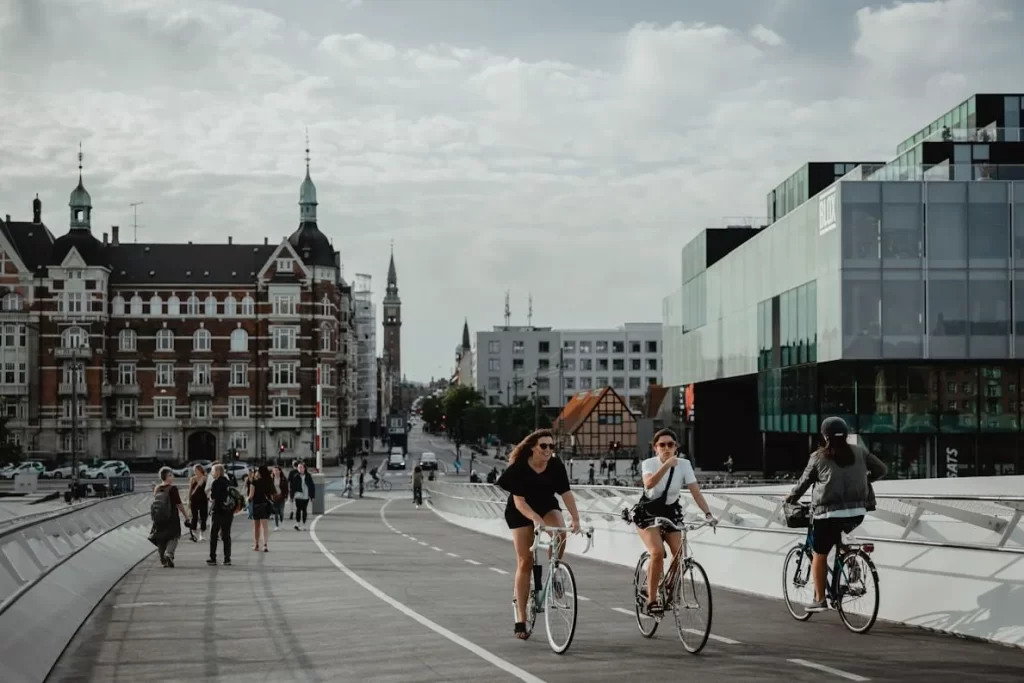
When exploring how to get a film permit for your shoot in Chile, you’ll discover that the fee and process length really depends on where you want to film. If your planned location is in an urban area, then, in general, you can expect to wait a couple of weeks to hear anything back once the application has been admitted. Requests for street closures may take a little longer.
Permits for protected areas and heritage sites also take longer to get through, and you must be prepared to wait at least a month as well as pay several thousand dollars (US) in fees.
You can talk your location ideas over with us first, and we can guide you on your application.
Timing Your Chile Film Production around the Weather
Weather-wise, Chile offers great year-round filming conditions with four distinct seasons opposite to the Northern Hemisphere. That means ssummer from November to March, and wrapping up is advised throughout July and August!
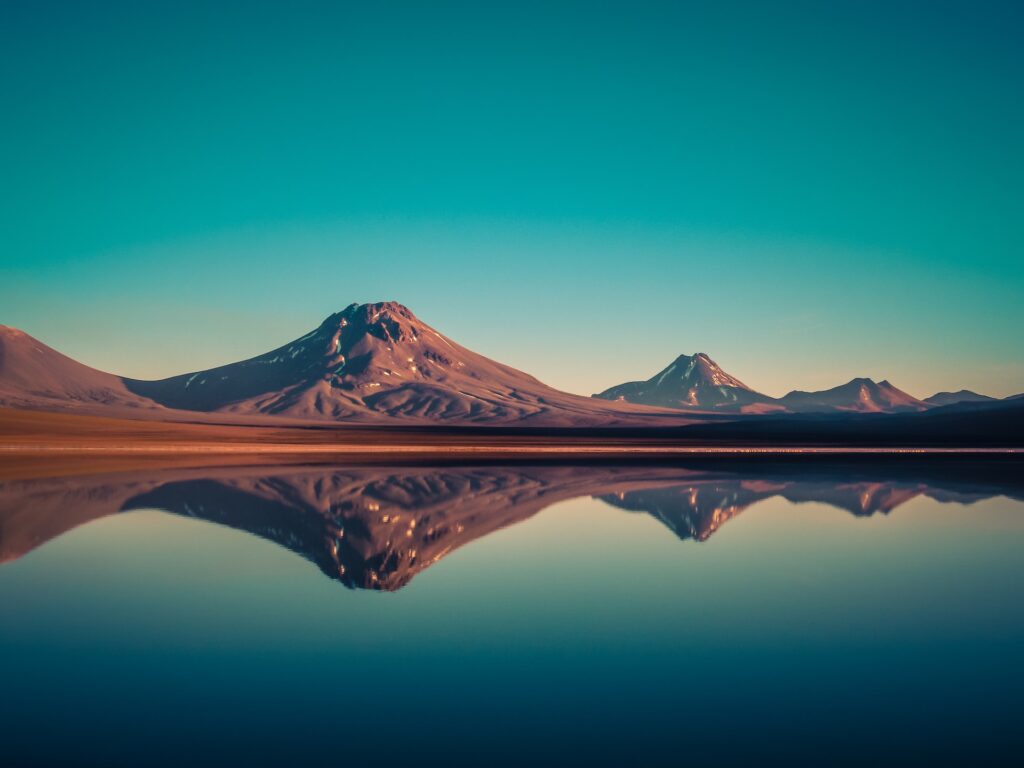
The northern deserts in Chile are dry and hot, while central areas offer mild, Mediterranean climates.
If filming in Southern Patagonia and the Andes, expect a highly changeable climate with snow, rain, and strong winds. Film sets here will have to be carefully managed, with experienced crew who know how to get the best out of winterized equipment.
Planning Filming Equipment Rental & Local Crew Logistics
You’ll have no problem renting top-quality, modern film equipment in Chile, but doing so can be expensive. As Chile accepts ATA carnets, we generally recommend foreign film teams bring their own gear with them. Once the equipment’s on the ground, we can easily organize transport to ensure it safely gets to your locations.
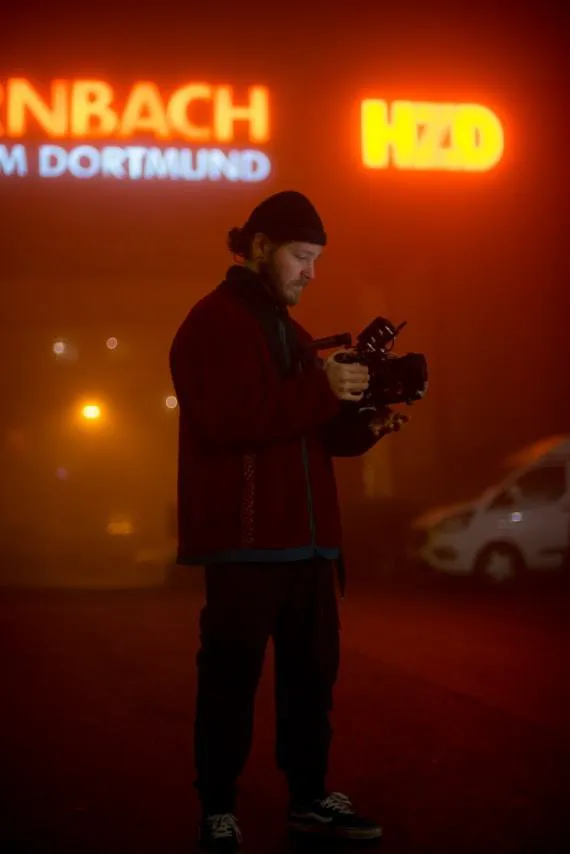
You’ll also have no trouble finding English-speaking-speaking crew members here, though you must be prepared to pay higher fees for teams with this skill.
Frequently Asked Questions
Is it an ATA carnet country?
Yes, it is, so you can bring your own filming equipment without having to pay extra duty or taxes.
Is it safe for me and my team to film there?
Yes, Chile is a safe country. However, if you’re going to be filming in the jungle or the mountains, it’s always best to have experienced local guides to help you.
Do I need a visa or a work visa to film there?
You’ll only need to have a visa if a local production company is paying you to be here. Otherwise, a tourist visa is fine.
Do I need a local company to film or get visas there?
Generally speaking, no you do not.
Do I need a permit for drones?
No permits are needed to film with drones outside of national parks.
Is there a cash rebate/tax exemption or any other fiscal advantage?
Foreign filmmakers can apply for a rebate of 30% of spend for productions that exceed 2 million USD in expenses. This financial incentive is available through Chile’s recently reintroduced IFI Audiovisual program.
Can I shoot in a national park and, if so, under what circumstances?
Yes, but you’ll need a permit to do so, and the cost of this can be high.
Working with Fixer Chile
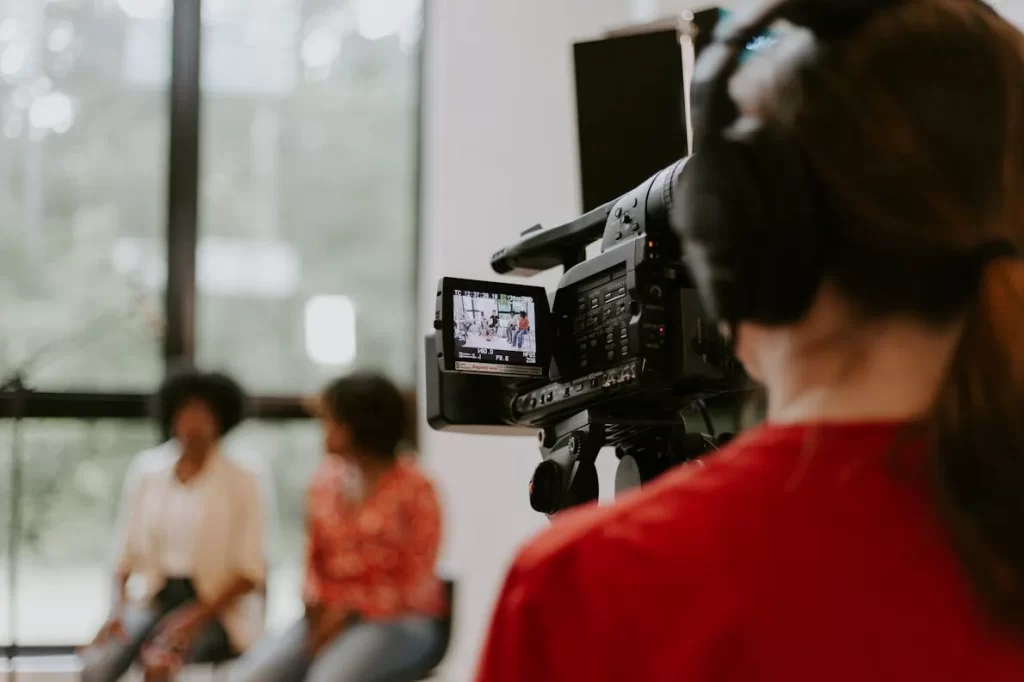
Working with Fixer Chile means working with a professional film production support company with several years of experience managing international film shoots in Chile. Our client list is impressive and includes globally recognized brands such as HBO, Global Trekker, The New York Times, IFPMA,IFPMA, and UNESCO.
We’ve supported these and several other international teams through services such as crew hire, field production, location scouting, permit applications, transport, and drone operation. So call us and let’s talk about how we can support your film project too.